

The polls closed on a Tuesday in early November, and the money had been moving for months. Since the first week of October, the New York Times had printed the betting odds on the presidential race nearly every day. Downtown, brokers carried positions on the two candidates in the same ledgers as their customers’ stocks.[100]
For most of the fall, the challenger was the favorite. By the time the polls closed, the price had drifted to even money, and some of the sharpest bettors had crossed to the other side. A syndicate on the West Coast loaded up on the incumbent, sure he would pull off an upset in California. A group of Ohio backers, fronted by one of New York’s best-known boxing promoters, put a big bet on him to carry their state. By the end, more than twice as much money had been wagered on the race as both campaigns had spent put together.[100]
The West Coast money had it right. The election came down to California, where the count dragged on for days and the incumbent won by a few thousand votes. The loser held out for two weeks before he conceded, and the next day the biggest bookmakers in New York paid off.[100]
The race, of course, was the presidential election of 1916. The incumbent was Woodrow Wilson, and the challenger was Charles Evans Hughes. “Wall Street Pays Its Bets After Hughes Admits Defeat,” the Evening World announced on its front page, explaining that the wagering had been “carried on by brokers in book accounts like steel deals with Hughes and Wilson, entered the same as so many shares of U.S. Steel or Utah Copper.”[1][100]
“Wall Street Pays Its Bets After Hughes Admits Defeat”
“Carried on by brokers in book accounts like steel deals with Hughes and Wilson, entered the same as so many shares of U.S. Steel or Utah Copper.”
There was an irony in all this that Hughes himself might not have enjoyed. As governor of New York in 1908, he had signed the Hart-Agnew law, which outlawed professional bookmaking at the state’s racetracks. Eight years later, betting on a presidential election hit the highest level it would ever reach in America, and the race was his.
Within about thirty years, however, that market had disappeared, and for most of the century that followed, betting on an election just wasn’t something Americans did.[33][100]
A hundred years later, it came back as a business. In 2016, Britain’s Betfair Exchange matched about £199 million on the American election, at the time the largest single betting event in its history. In 2020 it matched about £480 million. On Election Day that year, a young crypto platform called Polymarket had about $2.8 million riding on its market on Trump. Four years later, the same company’s market on the 2024 presidential winner drew about $3.7 billion. Kalshi, which only months before the election had not been allowed to list election contracts at all, handled more than $1 billion in election trading.[3][4]
The return of election betting
Betfair · pounds
Polymarket · dollars
The size of the bets was only part of the change. The odds themselves started to move the news. On October 6, 2024, Elon Musk posted, “Trump now leading Kamala by 3% in betting markets. More accurate than polls, as actual money is on the line.” Four days later, Trump put a screenshot of his Polymarket odds on Truth Social. [5][4]
Within a year, the odds had become part of the news itself. In 2025, X named Polymarket its official prediction market partner, Google put Kalshi and Polymarket odds into Search and Google Finance, and CNN and CNBC both signed deals with Kalshi. CNBC’s president laid out the thinking: “Prediction markets are rapidly shaping how investors and businesses think about important events.” In January 2026, Dow Jones, the owner of The Wall Street Journal, signed with Polymarket. Fox signed with Kalshi in April, and CBS News folded Kalshi’s numbers into its coverage of the midterms.[6][7]
Odds become part of the news
- X × Polymarket
- Google adds market odds
- CNN and CNBC × Kalshi
- Dow Jones × Polymarket
- AP licenses race calls to Kalshi
- Fox × Kalshi
- CBS News uses Kalshi odds
Elections turned out to be only one of many things people wanted to bet on. On Polymarket, about $30 million was wagered on who the next pope would be, about $55 million on Time’s Person of the Year, and $19 million on how many times Elon Musk would post in a single week. On Kalshi, people traded on the Fed’s next rate decision, the day’s high temperature in New York City, a movie’s Rotten Tomatoes score and which words the president would say in a speech. The 2026 State of the Union drew about $12 million in bets on Kalshi, and Polymarket listed a market on whether Trump would drink water while he delivered it.[3][9][10][11][12][13][14]
Some of the markets made people uneasy. About $30 million traded on Polymarket on whether the United States would strike Iran before July 2025, and about $52 million on whether Israel and Iran would agree to a ceasefire. Kalshi’s leadership made no secret that this breadth was the point. “The long-term vision,” its chief executive, Tarek Mansour, told a financial industry conference in 2025, “is to financialize everything and create a tradable asset out of any difference in opinion.”[14][127]
There’s a market for that
Before May 2018, the only way to place a legal sports bet in America was to go to Nevada. Today, 39 states and Washington, D.C., have legal sports betting.
No national vote ever approved it, Congress never passed a law creating it, and in most of those states the public was never even asked. Nobody built a movement for prediction markets either. They came in through a court ruling and a federal regulator, and one day they were on people’s phones.[59][60][102]
Every earlier turn in the history of American gambling came out of a public fight, from the crusades against the lotteries in the 1830s to the war on the mob in the 1950s. The most recent -- and the one that involves vastly greater sums than any before -- came without any public debate at all.
This essay asks how betting on nearly everything became an ordinary part of American life in less than a decade, without the public ever deciding that it should.
Gambling Is a Sin, Speculation Is a Business
How We Got Here usually stays within the last twenty or thirty years. This one has to go much further back, to before America was even America, because like so many American attitudes, our attitudes toward gambling start with the Puritans.
For the Puritans, gambling was a religious problem before it was a financial one, and the problem came down to the lot. A "lot" was any way of choosing at random: drawing straws, pulling a name from a hat, rolling a die. It’s where the word lottery comes from.
The Puritans did not think the fall of a lot was chance. They believed God decided it, so casting lots was a way of handing a choice to God. They used lots for serious matters, such as which family got which parcel when a new town was divided up, which, as it happens, is why a piece of land is still called a lot.[117]
It isn’t hard to guess where that left gambling. Using a lot to win money, or just for fun, made a game out of God’s judgment, and that made it a sin. English ministers argued over the question for decades, and the clergy of early New England took the hardest line: playing with lots was blasphemy. In 1687, Boston’s leading minister, Increase Mather, called the lot God’s deputy and condemned men who “make themselves sport with lotteries.” “There is a secret curse attending these games,” he warned.[117]
The Quakers, who disagreed with the Puritans about a great deal, objected for different reasons. Their concern was what gambling did to people. It bred idleness and “vain amusements” that ended in disorder. William Penn’s first laws for Pennsylvania grouped cards and dice with stage plays and cockfighting as pastimes that “excite the people to rudeness, cruelty, looseness, and irreligion,” and the colony’s Great Law of 1682 fined anyone caught playing “at cards, dice, lotteries, or such enticing, vain, and evil sports and games” five shillings.[16]
Even then though, it mattered who was running the game. In 1698, Parliament banned private lotteries, and Massachusetts passed its own ban in 1719. But neither law banned gambling. They banned lotteries the government hadn’t licensed, and both kept the government’s right to run its own.[128][129]
The colonies used that right constantly. They were short on cash, had almost no banks and hated direct taxes, so lotteries licensed by the legislature and run by leading citizens were how towns paid for roads, churches and schools. Lotteries paid for buildings at Harvard and Yale, a church steeple in Philadelphia that Benjamin Franklin helped manage, and even part of the cost of the Continental Army.[18][19][20]
No less a figure than George Washington signed lottery tickets, and in 1769 he served as a manager of a lottery held to pay off a Virginia planter’s debts. Showing the nuance of the colonial position, however, n 1783 he also warned a nephew that gaming was “the child of Avarice—the brother of inequity—& father of Mischief.” To Washington those were two different things. Gambling for yourself was a vice. A lottery for a road or a college was a public good.[19]
In 1826, near the end of his life and deep in debt, Thomas Jefferson asked the Virginia legislature for permission to raffle off his land, and wrote what became the classic defense of the lottery. “It is a common idea that games of chance are immoral,” he acknowledged, but “the greatest of all gamblers is the Farmer, who risks the seed he puts into the ground.” A lottery, in his phrase, was “a tax laid on the willing only.”[20]
By then the country was turning against lotteries, and what turned it was scale. Legislatures sold lottery grants to professional contractors. Brokers split tickets into halves, quarters and eighths so that a laborer could play every week, and a side game called policy let people bet pennies on which numbers would be drawn. The public purpose shrank to almost nothing. Pennsylvania’s Union Canal lottery ran for decades, and the canal company saw roughly five to ten percent of the money. A New York paper described the crowd at an 1827 canal lottery drawing, from “the miserable besotted drunkard, dreaming upon oceans of gin twist and brandy,” to “the poor, dejected, almost helpless widow.”[21]
There were scandals, too. When a ticket in Washington, D.C.’s Grand National Lottery won $100,000, the prize went unpaid, and the winner sued the city all the way to the Supreme Court, which ruled in 1827 that the city owed him the money.[130]
The religious revivals of the Second Great Awakening, along with a growing conviction that wealth ought to come from work, made the lottery look like a trap. In 1833, the governor of Massachusetts warned of its power to “allure the laborious poor from the path of honest industry, and to cheat them of their hard-earned wages.” That same year, the Philadelphia reformer Job Tyson answered Jefferson directly, calling the lottery “a contrivance for raising revenue out of the credulity, the weaknesses, and the vicious propensities of the lower classes of the people.” The workingmen’s parties and the Jacksonian Democrats shared the belief that wealth should come from labor, and they saw lottery grants as favors handed to insiders.[21][22]
States were also finding they didn’t need lotteries anymore. A growing system of banks, bonds and taxes gave them other ways to raise money, and when Britain abolished its state lottery in 1826, American reformers had a precedent. Pennsylvania, Massachusetts and New York banned lotteries in 1833. By 1860, every state except Delaware, Kentucky and Missouri had a ban.[21][22]
In 1850, the Supreme Court gave the reformers’ view its official language. Compared with other forms of gambling, the Court said, the lottery was a “widespread pestilence” that “infests the whole community.” “It enters every dwelling; it reaches every class; it preys upon the hard earnings of the poor; it plunders the ignorant and simple.”[22]
The ban wouldn’t last, and that may be the most important thing to understand about this early history. American attitudes toward gambling have never stayed still for long, and the country’s whole history with it is one long swing between banning and embracing, usually with a great deal of moral argument along the way.
Four centuries of drawing the line
Explore the legal timeline, 1612–2026
- Virginia Company lottery funds Jamestown
- Parliament bans private lotteries
- Continental Army lottery
- PA, MA and NY ban lotteries
- All but three states have bans
- Louisiana Lottery chartered
- Congress closes the mails to lotteries
- New York outlaws bookmaking
- NYSE bars election betting
- Nevada legalizes casinos
- Wire Act
- New Hampshire lottery
- Atlantic City casinos approved
- Indian Gaming Regulatory Act
- Federal sports-betting ban
- Online gambling payments cut off
- Murphy v. NCAA
- Kalshi approved
- Election contracts allowed
- CFTC proposes event-contract rules
The lottery came back after the Civil War. In 1868, Louisiana’s Reconstruction legislature chartered the Louisiana Lottery Company, which sold tickets across the country by mail. Two former Confederate generals, P.G.T. Beauregard and Jubal Early, were paid to preside over its drawings, and the company’s generous giving to charity helped keep it popular at home. Still it's popularity wouldn't last long. The moral crusader Anthony Comstock described what it left behind in 1883: “Palatial residences, elegant equipages, flashing diamonds, and a long retinue of cringing followers are the monuments which mark the greed of the lottery managers on the one side. On the other are privation, squalor, and want among the poor.”[24][25]
In 1890, the company offered Louisiana $1.25 million a year to renew its charter. The legislature passed the renewal. Governor Francis Nicholls, who had lost an arm in the Civil War, vetoed it, saying he would not let one hand “aid in degrading what the other was lost in seeking to uphold.” That July, President Benjamin Harrison asked Congress to close the mails to lotteries, saying that the people of every state were being “debauched and defrauded.” He called the company’s use of the postal system “a prostitution of an agency only intended to serve the purposes of a legitimate trade and a decent social intercourse.” Meeting that August, Louisiana’s anti-lottery Democrats asked Washington to “forever rid our State of this monster of all iniquity.”[26]
By 1890 the mail had turned one state’s lottery into every state’s problem, and the timing could hardly have been worse for the company. 1890 was the year Congress passed the Sherman Antitrust Act, at a moment when Americans were furious at giant companies like Standard Oil that crushed their competitors and bought politicians. The Louisiana Lottery fit the type exactly. It held a monopoly granted by the state, and it was widely accused of buying the legislature that kept renewing it.[24][26][27]
Congress closed the mails to lotteries that September. After the Supreme Court upheld the law, the Louisiana Lottery threw in the towel. By 1895, the national weekly The Outlook could declare, “The lottery is now an outlaw from one end of the country to the other.”[24][26][27]

Here the story has to take a short detour, because a different argument was playing out at the same time, and the precedent it set is integral to how prediction markets operate today.
When prediction markets arrived a few years ago, one of the central legal questions about them was how they related to futures trading. The early rules for futures were being written in the same decades as the fights over the lottery, and for a while the two debates were tangled together.
Betting on a price before the goods exist is an old idea. In Osaka, where samurai were paid in rice, rice worked like money, and by the early 1700s merchants at the Dojima rice market were trading standardized contracts on future rice, settled in cash, with no rice changing hands. The shogunate first treated the trade as gambling, then licensed the market in 1730. During Amsterdam’s tulip craze of 1636 and 1637, the Dutch called the bulb trade windhandel, trading in wind, because the bulbs themselves never moved. Governments kept finding that these contracts were useful, and that they looked a great deal like bets.[121]
Merchants founded the Chicago Board of Trade in 1848, the same year the canal, the telegraph, the first railroad and the first grain elevator all reached the city. They began signing “to arrive” contracts for grain that hadn’t come in yet. Then the board started grading grain by quality, and the steam elevators mixed one farmer’s wheat with everyone else’s, so a claim on wheat could change hands without anyone ever seeing a kernel. When the board wrote formal rules for futures contracts in 1865, traders were buying and selling, in the historian William Cronon’s words, “not wheat or corn or oats, but the prices of those goods as they would exist at a future time.”[30]
People kept trying to corner the market. In 1897 and 1898, a young millionaire named Joseph Leiter drove the price of wheat from 67 cents a bushel to $1.85, and Iowa farmers were reportedly so grateful that they named babies after him. Then the meatpacker Philip Armour broke the corner by shipping wheat across the Great Lakes.[131]
For anyone who has never had a reason to think about it, here is what a futures contract actually does. It moves risk from someone who doesn’t want it to someone who is willing to take it on for the chance of a payout.
Say that in spring, a farmer expects 5,000 bushels of wheat at harvest. He’s afraid of the fall glut, when everyone sells at once and the price collapses. A miller is afraid of the opposite, a short crop and expensive flour. To protect himself, the farmer sells a futures contract in spring at $1 a bushel. If the price falls to 80 cents by harvest, he sells his grain for 80 cents and makes 20 cents back on the contract. If the price rises to $1.20, he loses 20 cents on the contract and sells his grain for 20 cents more. Either way he ends up with his dollar. He gives up the chance of a windfall in exchange for protection from disaster.
The farmer usually isn’t trading with the miller, who is rarely standing there at the same moment wanting the opposite trade in the same amount. The other side is taken by a speculator, who is paid for carrying the risk the farmer wants to be rid of. And most futures contracts never ended with grain changing hands. They were settled by paying the difference in price, which is exactly how a bet is settled.[32]
One harvest. Two prices. The same $1.00.
The speculator’s futures result −$0.20 per bushel.
If that kind of speculator played a useful role, there were cheaper versions of the same trade that most respectable people found a lot less savory. Bucket shops were storefronts where anyone could bet on the price of a stock or a bushel of wheat as it came over the ticker. Nobody bought anything. You put down a few dollars on whether the price would go up or down, and the shop took the other side. An 1879 Chicago Tribune editorial listed the clientele: “school boys, cash boys in retail stores, bootblacks and newsboys,” clerks and teamsters, “reverend divines,” members of societies “for the suppression of vice,” and “teachers of Sunday schools.”[31][32]
The exchanges called the bucket shops gambling. The bucket shops answered that they were doing exactly what happened on the exchange floor, for customers with less money. The fight over bucket shops was really a fight over whether Wall Street and the Chicago grain pits were gambling, too.[31][32]
In 1905, Justice Oliver Wendell Holmes settled it in the exchanges’ favor. He acknowledged the charge (“It is said that the plaintiff itself keeps the greatest of bucket shops”) and then rejected it: “Speculation of this kind by competent men is the self-adjustment of society to the probable.” Congress chose to regulate futures rather than ban them. The question underneath never fully went away. Whether there is a real hedger on the other side of a contract, or only a bettor, is the question that came back when Kalshi arrived.[32]
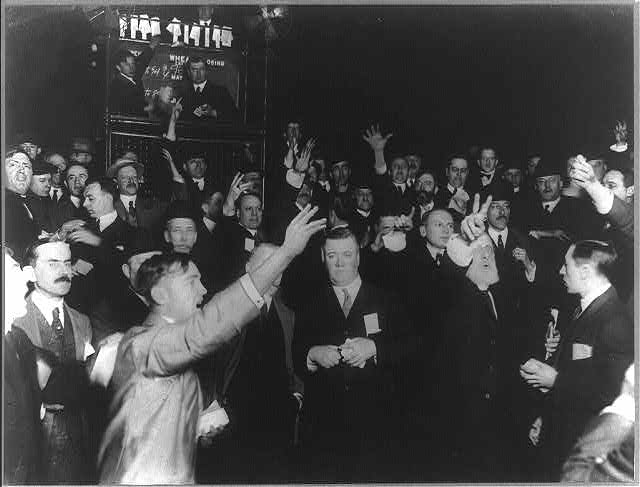
Election betting brought gambling and Wall Street together in plain view. It ran through the financial district, where betting commissioners held the stakes and kept 5 percent of the winnings, and newspapers printed the election odds like quotes off the ticker. It was ordinary enough that in 1904 Andrew Carnegie could joke, “From what I see of the betting, I do not think Mr. Roosevelt will need my vote.”[33][100]
The crackdown on gambling caught up with it anyway. Hughes’s 1908 law against bookmaking at the racetracks reached election betting, too. The economists Paul Rhode and Koleman Strumpf found that it cut election betting for several years. Hughes summed up the Progressive view in a single phrase: “Gambling shall not parade in business livery.” Eight years later, as luck would have it, the biggest election betting market in American history was the one on his own race.[33][100]
The exchanges wanted the same distance from election betting that the Board of Trade had fought for. In May 1924, the New York Stock Exchange and the Curb Market barred their members from election gambling, recognizing that an election bet was almost never a hedge. People bet on the candidate they wanted to win. Before long though, polls replaced the odds. In 1936, George Gallup called the presidential election with a scientific poll while the Literary Digest’s enormous mail survey got it badly wrong, and newspapers began printing polls where the odds used to be.[100][34]
By the 1930s, plain gambling was illegal almost everywhere, election betting was fading, and the respectable kind of betting was the kind that served a market purpose and lived on the exchanges. There was, however, one great exception[100]
From Sin to Entertainment
On March 19, 1931, as its mining economy collapsed in the Depression, Nevada legalized casino gambling. The same day, the governor signed a law cutting the residency requirement for a divorce to six weeks. Between them, those two laws set the stage for everything that followed. Two years later, Prohibition ended, and the gangs that had run liquor needed a new line of work. A later Senate committee on organized crime described what happened: gambling had “supplanted prostitution and bootlegging as the chief source of revenue for organized crime.” Nevada was the one place that business was legal, and mob money turned it into something the country had never seen.[35][36]
After the war, resort casinos went up one after another along the highway south of town: the Flamingo, the Desert Inn, the Sands, the Riviera, the Tropicana. By 1954, more than eight million people a year were visiting. Las Vegas was the one place in America where the rules of home didn’t apply, where you could gamble, drink all night, get married or get divorced. And because it was out in the desert, the rest of the country could act as if it had nothing to do with them.
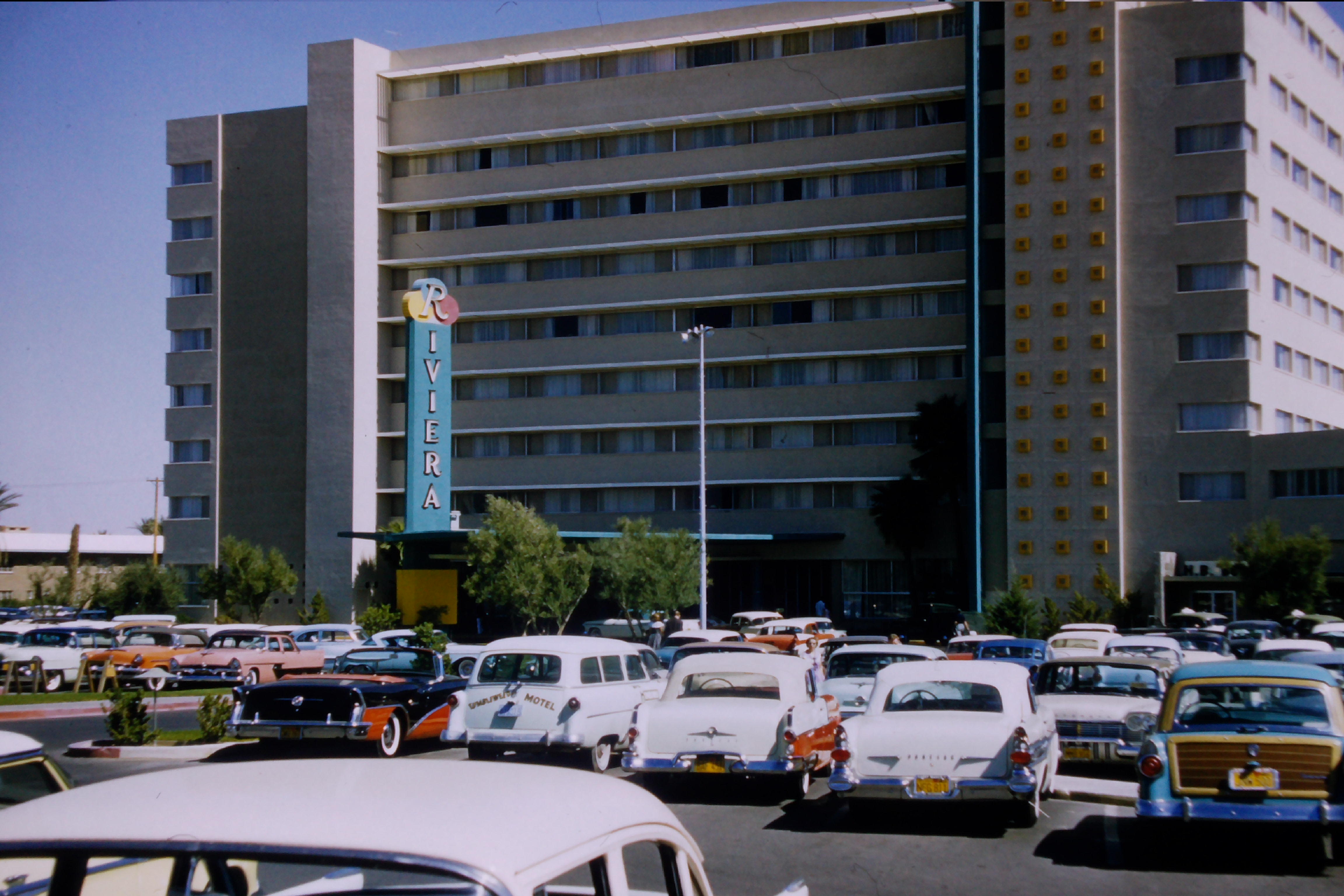
For most of the twentieth century, America dealt with gambling by isolating it and controlling it. Gambling was allowed only in places built for it, run by people the state could watch. Almost everywhere else it was a crime. Las Vegas was the model. If you wanted to gamble legally, that was where you went.
The terms of that arrangement were set in the 1950s, in a campaign against the mob. After the country’s big cities asked Washington for help against organized crime, the Senate set up a special committee under Senator Estes Kefauver of Tennessee to investigate what was seen as the mob’s lifeblood: gambling across state lines. The committee held hearings in 14 cities, and when they were televised from New York in March 1951, an estimated 30 million Americans tuned in.[36][37]
The committee described ordinary bettors in the language of the time. “The $2 horse bettor and the 5-cent numbers player,” its report said, “are not only suckers because they are gambling against hopeless odds, but they also provide the moneys which enable underworld characters to undermine our institutions.” The case against gambling had shifted from what it did to the gambler’s soul to where the gambler’s money went. As attorney general, Robert Kennedy sold the 1961 Wire Act on the same logic, telling the Senate that illegal gambling profits “are the primary source of the funds which finance organized crime.”[38]
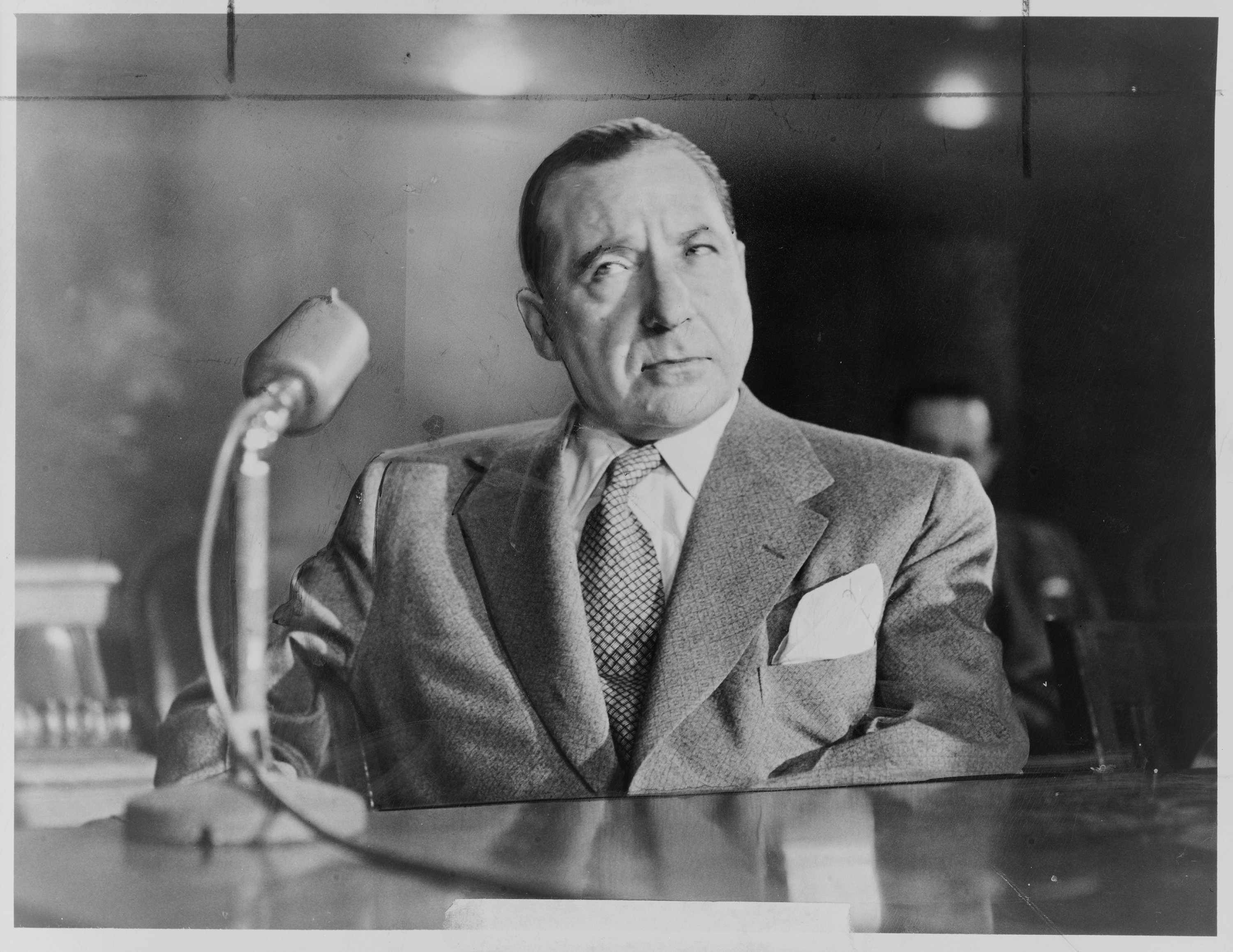
Nevada responded with regulation. In 1955 it created a state board to license and police the casinos, and in 1960 it began keeping a Black Book of “persons of notorious or unsavory reputation” who were barred from them. It wasn’t long before corporate money started to replace mob money. Howard Hughes arrived over Thanksgiving weekend in 1966 and moved into the top floors of the Desert Inn. When the hotel wanted its rooms back, he paid $13.2 million for the place, then bought the Sands, the Frontier, the Castaways, the Silver Slipper and the Landmark. Nevada’s corporate gaming laws of 1967 and 1969 let public companies own casinos. Governor Paul Laxalt was thrilled. “Mr. Hughes’ involvement here has absolutely done us wonders,” he said in 1969. Back East, he said, people’s questions “are no longer concerned with the Mafia, the skimming, the underworld.”[122]
Outside Nevada, legal gambling arrived the same way, in small, controlled doses, in places the state could watch, with the state taking a cut. During the Depression, one state after another legalized betting at the racetrack in exchange for a share of every wager. California did it in 1933, and Santa Anita opened in Arcadia the next year.
Then the states started running gambling themselves. In 1964, New Hampshire created the first state lottery since the fall of the Louisiana Lottery, as a way to raise money without a sales tax. New York followed in 1967, then twelve more states in the 1970s and eighteen in the 1980s. William Loeb, publisher of New Hampshire’s biggest newspaper, the Manchester Union Leader, made the case that the industry still makes today: “No one has to go to the track and bet. No one has to smoke tobacco. No one has to drink. But how do those who oppose the Sweepstakes propose to raise the money?” These were things adults chose to do, and a state that sanctioned and controlled them could keep them as safe and clean as possible and raise money it needed along the way.[39][101]
All you need isa dollarand adream.
When a federal ban on lottery advertising ended in 1975, states went from allowing gambling to selling it. New York’s slogans were “All you need is a dollar and a dream” and, starting in 1992, “Hey, you never know.” New casinos came in under the same kind of control. New Jersey’s voters approved casinos in a single town, Atlantic City, in 1976, and after a 1987 Supreme Court ruling in favor of the Cabazon Band of Mission Indians, Congress opened the door to casinos on reservations in 1988.[40][41]
Attitudes moved along with the law. In 1938, Gallup found Americans split almost evenly on whether government lotteries would produce “an unwholesome gambling spirit.” By 1989, 78 percent approved of them. The argument over gambling was now mostly about money, who collected it and what it paid for. By the 1990s the industry had stopped calling its business gambling and started calling it gaming, and a 1994 Time cover story concluded that “Las Vegas has become Americanized, and, even more, America has become Las Vegasized.”[49][50][42][43]
Problem gambling, meanwhile, came to be treated as a medical condition affecting a small minority. Gamblers Anonymous, which held its first meeting in Los Angeles in 1957, described compulsive gamblers as “very sick people who can recover,” and in 1997 the casino industry’s chief lobbyist put the share of Americans with a gambling problem at somewhere between 1 and 5 percent.[42][132][133]
The old controls still held. In 1992, Congress wrote the isolation of gambling into federal law, banning sports betting in every state that didn’t already allow it and leaving it confined mostly to Nevada. A legal bet still meant going somewhere: a casino, a racetrack, a reservation, the lottery counter. A sports bet meant Las Vegas or a bookie.[59]
The internet was built on the opposite promise. The whole appeal of going online in the 1990s was that you no longer had to go anywhere. You could shop, read the news and talk to people from home. For a system of gambling that had spent half a century being organized around making people travel, that was a basic problem, and it showed up almost immediately.[48]
In 1996, a former options trader named Jay Cohen helped launch World Sports Exchange in Antigua, taking bets from Americans by phone and over the internet, including bets placed while games were still being played. Cohen remembered how his customers reacted: “You mean I can bet on whether Jerry Rice will score the next touchdown?” In 1998, federal prosecutors charged 21 Americans running offshore sportsbooks under the Wire Act, and in 2000 Cohen became the first American convicted under it for running an internet sportsbook. He was sentenced to 21 months. In 1999, the National Gambling Impact Study Commission said it would push for a broad ban on online gambling. The story of betting online was only beginning.[48]
How Betting Came Online
Over the next twenty-five years, betting came online one category at a time: poker first, then sports betting, then stock trading, and finally prediction markets.[101][59]
It also arrived in a different way. When the lotteries came back in the 1960s and 1970s, legislatures changed the laws, but in most states the voters had a say. Of the 43 lotteries run by states and Washington, D.C., by 2006, 32 had been approved at the ballot box. New York’s voters approved a lottery in 1966 with 61 percent of the vote, and New Jersey’s in 1969 with 81 percent. Online betting mostly skipped that step. It came in through an exemption in a federal law, a Supreme Court ruling and the rules of a federal regulator. Since 2000, the fight over gambling has been less about whether it is right than about which law applies.[101]
Who approved the lotteries?
42 states and Washington, D.C. in the 2006 record
32 of 43 jurisdictions went to voters
View data
| Method | States |
|---|---|
| initiative | AZ, CA, CO, DC, OR |
| legislation | CT, DE, IL, IA, MA, NH, NM, NC, OH, PA, WA |
| referendum | FL, GA, ID, IN, KS, KY, LA, ME, MD, MI, MN, MO, MT, NE, NJ, NY, ND, OK, RI, SC, SD, TN, TX, VT, VA, WV, WI |
Poker went first, and it had television to thank. Tiny cameras built into the table let viewers see each player’s hidden cards, which turned a group of people staring at each other into a game an audience could follow. The World Poker Tour began airing on the Travel Channel in 2003, and the online poker sites were right there with it. PartyPoker advertised on the show, and its traffic surged.[51]
That same year, a Tennessee accountant whose name really was Chris Moneymaker turned an $86 online satellite tournament into a seat at the World Series of Poker. Then, in a plot no screenwriter could have gotten away with, he won the main event and $2.5 million. In 2003, 839 players entered the main event. By 2006 the field was 8,773, more than ten times larger, and many of them had qualified online. By 2005, online poker was a business of more than $2 billion a year worldwide, and the parent company of the biggest site said 84 percent of its revenue came from American players.[51][134]
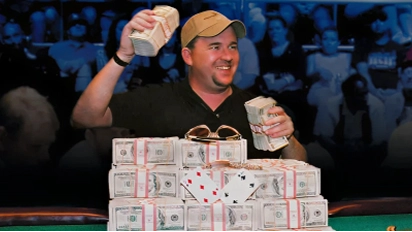
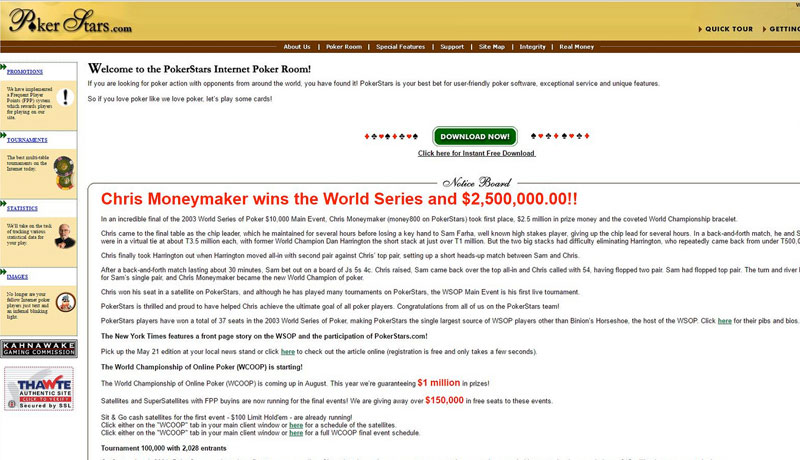
A player who finished 38th in 2003 remembered that in the late 1990s, “poker was still in the smoky backrooms. People were ashamed to tell their families that they played poker.” Brian Koppelman, who co-wrote the poker movie Rounders, described what Moneymaker changed: “Suddenly everybody was able to justify playing poker. You’re telling your wife you’re going to the World Series of Poker, and it wasn’t a crazy thing, it was a good investment.”[51]
Most of that online poker was played on sites based offshore, outside American law. In 2006, Congress attached the Unlawful Internet Gambling Enforcement Act to a port security bill, cutting off payments to online gambling sites. On April 15, 2011, a day the poker world still calls Black Friday, federal prosecutors in Manhattan indicted the founders of the biggest poker sites and seized their domains. The U.S. attorney, Preet Bharara, said foreign firms were “not free to flout the laws they don’t like simply because they can’t bear to be parted from their profits.”[123]

The poker boom
World Series of Poker main-event entrants
View data
| Period | Entrants |
|---|---|
| 2000 | 512.00 |
| 2001 | 613.00 |
| 2002 | 631.00 |
| 2003 | 839.00 |
| 2004 | 2,576.00 |
| 2005 | 5,619.00 |
| 2006 | 8,773.00 |
| 2007 | 6,358.00 |
| 2008 | 6,844.00 |
| 2009 | 6,494.00 |
| 2010 | 7,319.00 |
| 2011 | 6,865.00 |
Black Friday shocked online poker and stunted its growth, but the internet’s effect on American gambling was just getting started. The 2006 law that cut off online poker had one large exception, for fantasy sports, as long as winning depended on skill and on the statistics of many players across many games. Two startups, FanDuel and DraftKings, built a business inside that exception called daily fantasy. Instead of a season-long league with friends, you paid to enter a contest tonight and collected your winnings tomorrow. It was about as close to a sports bet as the law allowed. By 2015, players were paying an estimated $3 billion a year in entry fees, and the two companies had about 95 percent of the market.[52]
That fall, at the start of the NFL season, the two companies outspent the entire beer industry on television ads, and critics said they were running sportsbooks under another name. In November 2015, New York’s attorney general ordered both to stop, calling them “the leaders of a massive, multibillion-dollar scheme intended to evade the law and fleece sports fans across the country.” Both survived the fight, and both kept signing up customers who were getting used to putting money on games.[52][135]
Sports betting itself was still illegal almost everywhere. In 1992, with the sports leagues behind it, Congress had banned sports betting in every state that didn’t already allow it, which left Nevada as the only state where you could legally bet on a single game. New Jersey wanted in. It hoped sports betting would help its struggling casinos and racetracks, and it fought the federal ban in court for six years. In May 2018, in Murphy v. NCAA, the Supreme Court struck the ban down. The case turned on states’ rights, and the Court took no position on whether betting was a good idea. “Congress can regulate sports gambling directly,” Justice Samuel Alito wrote, “but if it elects not to do so, each State is free to act on its own.”[59]
Congress never stepped in, and the states moved quickly. New Jersey took its first legal bets a month later. Today 39 states and Washington, D.C., have legal sports betting, and 30 of those states plus D.C. allow it on phones. FanDuel and DraftKings were in position. They already had customers who were used to putting money on games, along with their payment details, and within months of the ruling both were taking legal sports bets in New Jersey. Today the two of them have nearly 80 percent of the market.[60][62]
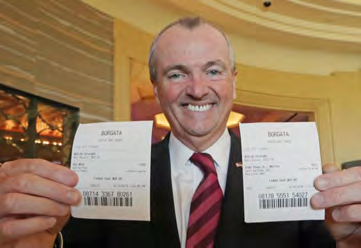

Thirty-three of those 39 states legalized sports betting in their statehouses. Only six put it to voters, and when California did, in 2022, online sports betting lost 82 to 18, after the campaigns on both sides had raised more than $450 million. Oddly enough, marijuana was being legalized in exactly the same years, by the opposite route. Gallup found 12 percent support for legalizing it in 1969 and a record 70 percent in 2023, and 15 of the 24 states with legal recreational marijuana got there by popular vote. Sports betting, made legal at almost exactly the same time, came in through lawmakers and judges. Public demand for it never built the way it did for marijuana. Gallup found approval of legal betting on pro sports stuck around 40 percent through the 1990s, and a poll first found majority support only in 2017, the year before the ruling.[102][103][64][65]
Two routes to legalization
Sports betting · 39 states
Recreational marijuana · 24 states
Once it was legal, sports betting grew at an extraordinary pace. The amount bet went from about $6.6 billion in 2018 to nearly $167 billion in 2025, and sportsbook revenue from about $430 million to about $17 billion. Nearly all of it moved to the phone. In New Jersey, about 96 percent of sports bets are placed online, and at DraftKings, bets placed while games were in progress passed half of the total in early 2025. The advertising followed: sportsbooks spent 281 percent more on TV ads during the 2021–22 NFL season than during the season before.[62]
Legal sports betting, in billions of dollars
Amount wagered
View data
| Period | Handle |
|---|---|
| 2018 | 6.60B |
| 2019 | 13.00B |
| 2020 | 21.50B |
| 2021 | 57.53B |
| 2022 | 93.73B |
| 2023 | 121.06B |
| 2024 | 149.90B |
| 2025 | 166.94B |
Sportsbook revenue
View data
| Period | Revenue |
|---|---|
| 2018 | 0.43B |
| 2019 | 0.91B |
| 2020 | 1.50B |
| 2021 | 4.33B |
| 2022 | 7.56B |
| 2023 | 11.04B |
| 2024 | 13.78B |
| 2025 | 16.89B |
Sources by year
2018 revenue / amount wagered · 2019 · 2020 · 2021 revenue / amount wagered · 2022 · 2023 · 2024 · 2025 revenue / amount wagered
The leagues, perhaps predictably, came around. In January 2003, the NFL had refused to run a Las Vegas tourism ad during the Super Bowl, even though the ad never mentioned gambling. A league memo warned that any link to gambling “could have a uniquely negative effect on the public’s perception of our sport.” In 2012, fighting New Jersey in court, Commissioner Roger Goodell swore in a declaration that legal betting would mean “normal incidents of the game such as bad snaps, dropped passes, turnovers, penalties, and play calling inevitably will fuel speculation, distrust, and accusations of point-shaving or game-fixing.”[57][58][61]
Two months after the 2018 ruling, the NBA named MGM Resorts its official gaming partner. The NFL signed its first sportsbook partners in 2021, and in 2024 the Super Bowl was played in Las Vegas, where Goodell told the city, “You’ve become Sports Town USA, you really have.” In 2023, ESPN put its name on a sportsbook in a $1.5 billion deal, and its chairman said fans “want both betting content and the ability to place bets with less friction from within our products.” By then the leagues, the networks and the states were all collecting money from sports betting, and hardly anyone with real influence was still arguing against it.[57][58][61]

The leagues changed sides
- NFL refuses a Las Vegas tourism ad
- NBA makes MGM Resorts its official gaming partner
- NFL signs its first sportsbook partners
- ESPN names a sportsbook in a $1.5 billion deal
- The Super Bowl comes to Las Vegas
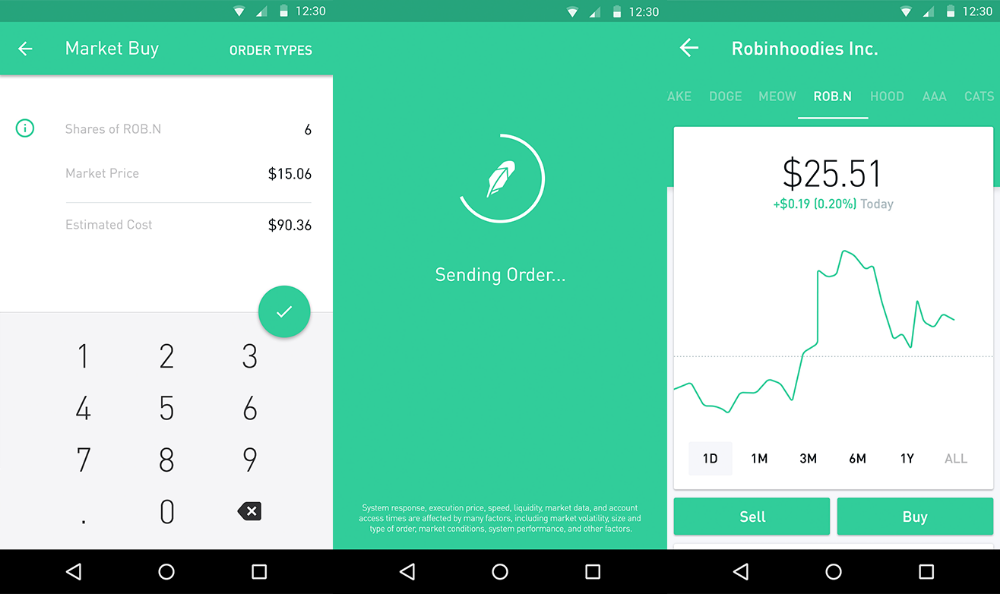
While all of this was happening, investing in the stock market started to look a lot more like betting, an echo of the old fights in Chicago. Robinhood launched commission-free trading on a phone app in 2015, and it soon ran into trouble with state regulators who thought it was turning trading into a game. When Massachusetts regulators filed a complaint against it in 2020, they singled out the confetti that rained down the screen after a trade as a “gamification strategy.”[53]
Then COVID hit, and things got weird. When sports shut down in March 2020, the sports guys moved over to stocks. Dave Portnoy, whose Barstool Sports audience had been built on sports and betting, started day-trading on camera as “Davey Day Trader Global.” His rules: “Stocks only go up. Only losers take profits.” Half joking and half meaning it, he dismissed the most respected investor in America. “I’m sure Warren Buffett is a great guy but when it comes to stocks he’s washed up,” he said. “I’m the captain now.” He was plain about the appeal: “With the volatility, it is kind of like watching a sports game.”[136]
The $1,200 stimulus checks that started going out that April, quickly nicknamed stimmies, poured gas on the fire. In early May, Robinhood said it had added more than three million funded accounts so far that year, and that half of its new customers were first-time investors. It ended 2021 with 22.7 million funded accounts, up from about five million at the end of 2019. Then came GameStop. In January 2021, its shares went from about $17 to an intraday high of $483 as small traders piled in.[107][108][120]
Meme-stock mania was in full swing, and it changed how people traded as well as what they bought. According to Cboe, options that expire the same day they’re bought went from 5 percent of S&P 500 options volume in 2016 to 59 percent in 2025.[108][120]
Trading, on a phone
Robinhood funded accounts
Same-day expiry share of S&P 500 index (SPX) options volume
The change was concentrated among young men, and it didn’t take an investigator to connect the meme stocks to sports betting and crypto. Demetri Kofinas, host of the podcast Hidden Forces, popularized a name for the mood after a post by the investor Travis Kling. He defined financial nihilism as “an investment philosophy that treats the objects of speculation as though they were inherently or intrinsically worthless,” and said it had spread during the pandemic as new traders “began to treat these markets as though they were basically casinos, and the equities as though they were tokens or casino chips.” The economics writer Kyla Scanlon gave the wider mood its own name, the vibecession, for the gap between decent economic numbers and how bad people felt.[55][109]
Researchers put evidence behind it. In 2025, economists at Northwestern and the University of Chicago found that as people’s chances of ever owning a home fall, “they consume more relative to their wealth, reduce work effort, and take on riskier investments.” They projected that Americans born in the 1990s will retire with a homeownership rate roughly 9.6 percentage points lower than their parents’. If you want the long version of where that squeeze came from, it’s the subject of Episode 2. The feeling hasn’t gone away. In a January 2026 survey for Northwestern Mutual, 73 percent of Americans who were using or considering sports betting, prediction markets or crypto said they were doing it because they felt financially behind and saw it as a faster way to reach their goals.[109][137]
Which brings this back to the question at hand. Once ordinary investing in the stock market started to look and feel like a casino, it got much harder to argue that any other kind of betting, at a sportsbook or anywhere else, deserved to be treated differently.
The Prediction Markets
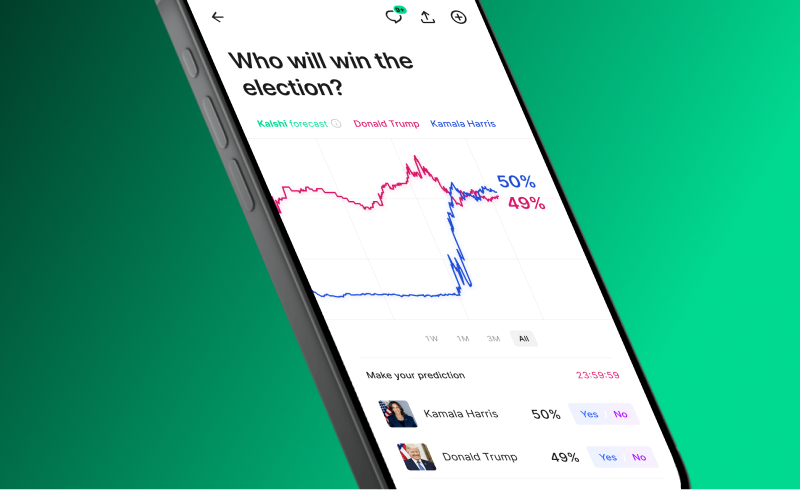
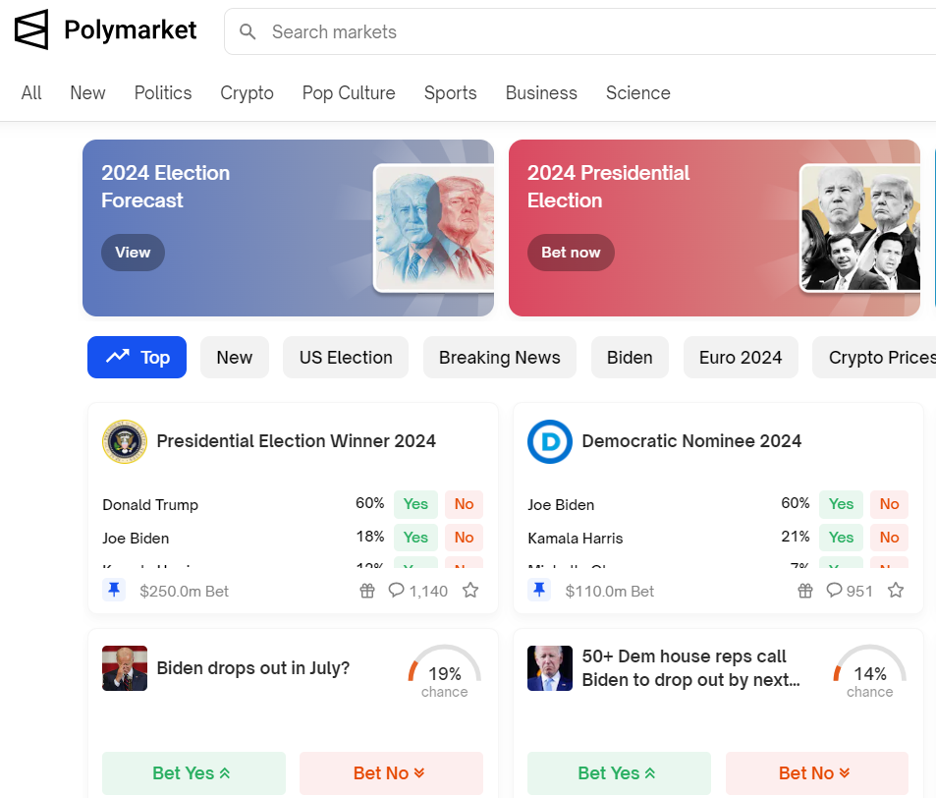
Which brings us, at last, to the main event, the prediction markets, which in a few short years have become both enormous businesses and a fixture of the media, part of the coverage of politics, sports and nearly anything else with more than one possible outcome. They were the last kind of betting to come online, and they’re where the election odds on CNN come from. In the United States, until very recently, two companies ran almost all of it. Kalshi and Polymarket were both built for the phone from the start, and they got to where they are by very different roads.
Every market on them is a yes-or-no question: will the Fed cut rates, will the Chiefs win. A “yes” contract pays $1 if the answer turns out to be yes and nothing if it’s no, so a price of 32 cents means traders as a group put the chance at about 32 percent. The other side of each trade is another trader, and the exchange collects a fee. That is the heart of Kalshi’s argument that it isn’t a casino. “In casinos and gambling houses,” its co-founder Tarek Mansour said in 2021, “the revenue they make is out of their customer’s losses.”[113]
What a 32¢ “Yes” contract buys
You buy one Yes contract for 32¢. Choose the outcome.
For most of American history, a market like that was easy to imagine and almost impossible to run legally, and the obstacle was federal futures law. Since 1974, the Commodity Futures Trading Commission has overseen trading in contracts on future prices, and the test it inherited was the old one from the Chicago grain pits: a contract that lets someone hedge a real risk belongs in a market, and one that doesn’t is a bet. In the hard cases, Congress sided with whoever had the votes. In the mid-1950s two traders cornered the onion market, and a 50-pound bag fell from $2.75 to 10 cents. Onion growers got onion futures banned in 1958, and the ban is still law. When the CFTC approved futures on movie box-office receipts in 2010, Hollywood’s studios lobbied against them, and Congress banned those too, in the same sentence of federal law as the onions.[114]
Betting on world events was off-limits altogether. In 2003, the Pentagon’s research agency planned a market on events in the Middle East, including possible attacks. Senator Ron Wyden called it “a federal betting parlor on atrocities and terrorism,” and it was dead within a day. The 2010 Dodd-Frank law let the CFTC block contracts involving “terrorism,” “assassination,” “war” and “gaming,” and in 2012 the CFTC used that power to block contracts on elections.[66][81]
The line written into law
“Onions”
“Motion picture box office receipts”
Two commodities Congress explicitly excluded from futures trading.
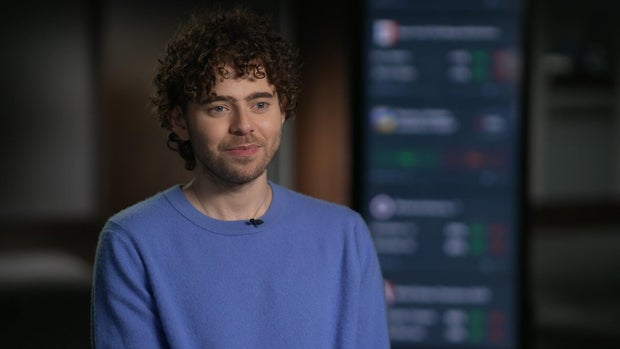
Kalshi’s founders, Tarek Mansour and Luana Lopes Lara, met as computer science students at MIT. Mansour, who grew up in Lebanon, had spent a summer on a Goldman Sachs trading desk, where he met clients who wanted to hedge against events like elections. Lopes Lara had trained for eight years at the Bolshoi ballet school in Brazil. In 2018, while interning at a New York trading firm, they started Kalshi as a legal exchange for trading on whether things would happen, and they weren’t thinking small. “We wanted to build the next generation New York Stock Exchange,” Mansour said.[125][126]
Unlike some other projects of the time, they decided to get the government’s permission first. Mansour said they called “pretty much every single securities/derivatives lawyer in the country,” and that the answers ranged from “being laughed out of the room, all the way to, hey, this is just not going to work.” In November 2020, the CFTC approved Kalshi as a regulated exchange. It opened the next summer with markets on questions like whether the Tokyo Olympics would be canceled. “Doing it legally,” Lopes Lara said, “was something we couldn’t compromise on.”[110][125][126]
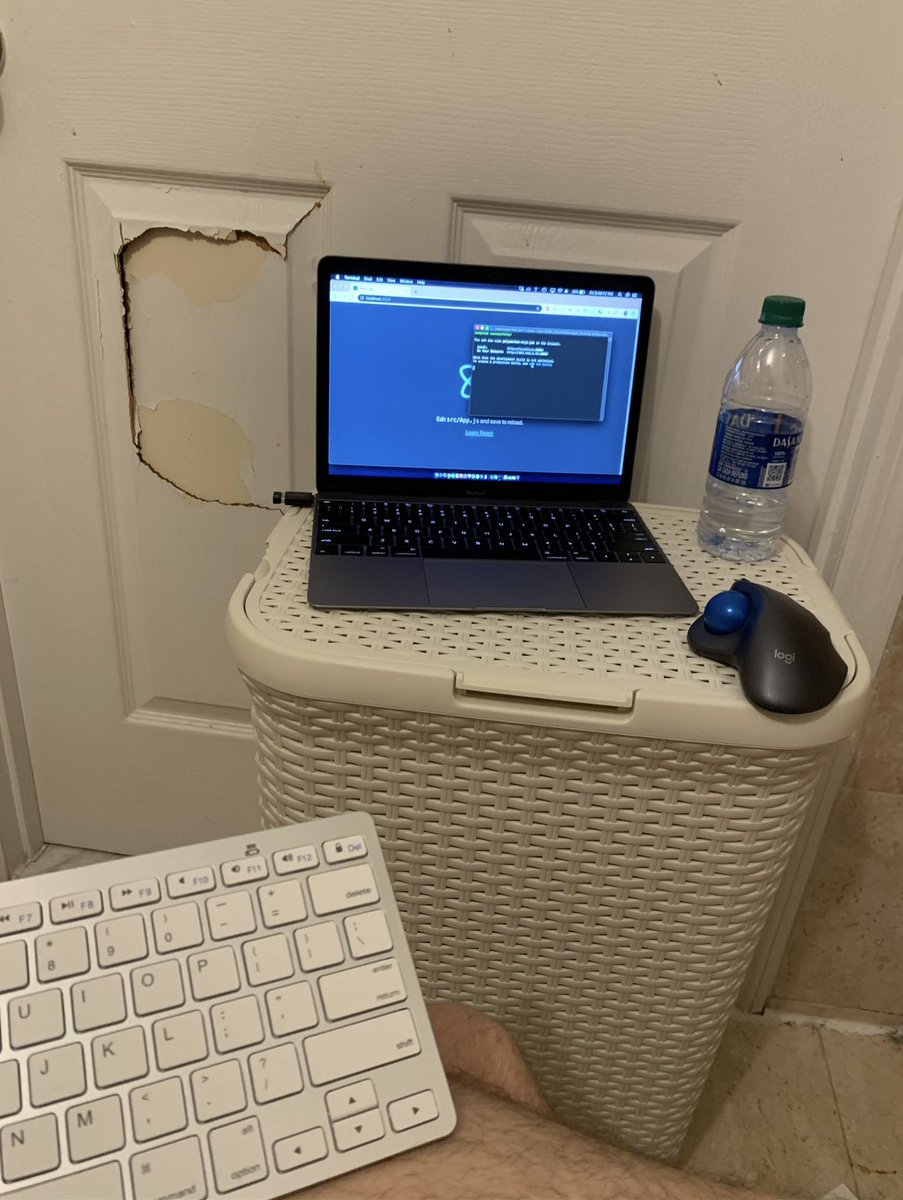
Polymarket took the opposite approach, to put it mildly. In the spring of 2020, with New York shut down, Shayne Coplan, a 21-year-old NYU dropout who had bought into Ethereum early, started building it in what he called his “makeshift bathroom office.” Polymarket ran on crypto, with bets placed in a token pegged to the dollar, and it didn’t ask anyone’s permission. In January 2022, the CFTC fined it $1.4 million for running unregistered markets that Americans could trade on, and Polymarket blocked American users. Americans could still see the odds, and some kept trading through VPNs.[80][111]

What both companies wanted most was elections, and elections were exactly what the CFTC had blocked. In 2023, Kalshi asked to list contracts on which party would control Congress. The CFTC said no, calling them “gaming and activity that is unlawful under state law,” and Kalshi sued. In September 2024, Judge Jia Cobb ruled in Kalshi’s favor. “This case is not about whether the Court likes Kalshi’s product or thinks trading it is a good idea,” she wrote. Kalshi’s contracts “do not involve unlawful activity or gaming. They involve elections, which are neither.” Its markets on Congress went live in early October, and its markets on the presidential race two days later. On Election Day it climbed to the top of the finance chart in Apple’s App Store, and that fall, politics made up about 90 percent of everything traded on Kalshi.[68][81]
Polymarket, still officially off-limits to Americans, was where the biggest money went. Its biggest winner, a French trader known as Théo, had paid a pollster to ask swing-state voters not who they would vote for but who they thought their neighbors would vote for. He made about $85 million. A week after the election, FBI agents searched Coplan’s apartment at about 6 a.m. and took his phone. He later told 60 Minutes there was “yelling and banging on the door.” The investigation, into whether Polymarket had kept letting Americans trade, was closed in July 2025 without charges.[69][80]
By then Washington had changed sides. In January 2025, as the new administration came in, Donald Trump Jr. became a paid adviser to Kalshi. Two days after a new acting chair took over the CFTC, Kalshi certified its first sports contracts, on the Super Bowl. Nobody had to approve them. Under the CFTC’s rules, an exchange can list a new contract by certifying that it complies with the law, and to stop it, the agency has to open a formal review. A week earlier, under the outgoing chairman, the CFTC had done exactly that to a rival’s sports contracts. Kalshi’s were never stopped. That spring, the CFTC dropped its appeal of the election case, and Robinhood put Kalshi’s markets inside its app. Within a year, sports were 85 to 90 percent of what traded on Kalshi.[76][70][8]
Kalshi’s business turns toward sports
Share of monthly trading volume, July 2024–July 2026
View data
| Month | Sports | Politics | Other |
|---|---|---|---|
| 2024-07 | 0.0% | 3.1% | 96.9% |
| 2024-08 | 0.0% | 3.3% | 96.7% |
| 2024-09 | 0.0% | 4.7% | 95.3% |
| 2024-10 | 0.0% | 94.1% | 5.9% |
| 2024-11 | 0.0% | 88.7% | 11.3% |
| 2024-12 | 0.0% | 40.0% | 59.9% |
| 2025-01 | 4.4% | 47.1% | 48.5% |
| 2025-02 | 20.1% | 22.8% | 57.1% |
| 2025-03 | 77.9% | 5.9% | 16.2% |
| 2025-04 | 64.5% | 8.5% | 27.1% |
| 2025-05 | 76.7% | 3.6% | 19.7% |
| 2025-06 | 79.3% | 4.8% | 15.9% |
| 2025-07 | 73.2% | 4.6% | 22.3% |
| 2025-08 | 75.2% | 3.1% | 21.7% |
| 2025-09 | 89.5% | 1.4% | 9.1% |
| 2025-10 | 89.9% | 3.0% | 7.1% |
| 2025-11 | 90.5% | 4.0% | 5.5% |
| 2025-12 | 91.1% | 1.3% | 7.7% |
| 2026-01 | 89.2% | 2.7% | 8.1% |
| 2026-02 | 81.7% | 2.9% | 15.5% |
| 2026-03 | 76.7% | 1.5% | 21.8% |
| 2026-04 | 77.8% | 1.4% | 20.8% |
| 2026-05 | 77.2% | 1.3% | 21.5% |
| 2026-06 | 80.6% | 0.8% | 18.6% |
| 2026-07 | 78.3% | 0.4% | 21.3% |
Many of Kalshi’s legal fights are still unresolved, but the political winds had plainly shifted. Polymarket found its way back to the United States, too. It bought a small CFTC-licensed exchange for $112 million, and in August 2025 Trump Jr.’s venture firm, 1789 Capital, invested, and he joined Polymarket’s advisory board as well. Two months later, Intercontinental Exchange, the company that owns the New York Stock Exchange, agreed to invest up to $2 billion in Polymarket. A century earlier, the Stock Exchange had barred its own members from betting on elections. Now its owner was buying into a market that took bets on them. By the end of 2025, DraftKings, FanDuel and Coinbase all had prediction markets of their own. FanDuel’s version offers sports contracts only in states where sports betting isn’t legal, and says it will stop as soon as a state legalizes it.[112][72][91]
Two companies. Two routes.
Kalshi
- Mansour and Lopes Lara found Kalshi
- Y Combinator
- CFTC designates the exchange
- Trading opens
- CFTC rejects election contracts
- Judge Cobb rules for Kalshi
- First sports contracts
- Robinhood prediction hub
- $22 billion valuation
Polymarket
- Coplan builds Polymarket
- CFTC fine and US block
- $3.7 billion presidential market; FBI search
- Probes close; QCEX purchase
- ICE commits up to $2 billion
- US app opens
Sports may drive much of the money, but prediction markets reach much further than any sportsbook. By Mansour’s count, Kalshi had about 80 markets in October 2024 and about 3,300 a year later. Before long the odds were part of how the news itself was told. CNN’s data reporter, Harry Enten, began citing Kalshi’s odds on air, and in March 2026 the Associated Press started licensing its vote counts and race calls to Kalshi.[118][6]
For some people, the freedom to bet on any event at all is exhilarating. For others, it raises hard ethical questions. More than $2 billion was bet on events in the Iran war in 2026, and hours before the American and Israeli strikes in February, six brand-new Polymarket accounts placed bets that netted about $1 million. After a backlash, Polymarket took down a market on whether a nuclear weapon would be detonated, and it apologized for another on when downed American pilots would be rescued.
In the first insider-trading case brought over event contracts, an Army master sergeant who, prosecutors say, helped plan the January 2026 operation to capture Nicolás Maduro put about $33,000 into Polymarket bets and made about $410,000. Jay Clayton, the U.S. attorney in Manhattan, had to put in writing something you might have assumed went without saying: that prediction markets “are not a haven for using misappropriated confidential or classified information for personal gain.” A White House teleprompter operator paid a $65,000 fine over Kalshi bets on Trump’s speeches, and Kalshi suspended six congressional candidates for betting on their own races. In April, the Senate barred its own members and staff from trading on these markets. Asked on 60 Minutes about traders with inside information, Coplan said, “I think that people going and having an edge to the market is a good thing.”[88][119][80]
The information edge
The trader, prosecutors say, helped plan the operation.
Where Things Stand
By the fall of 2026, prediction markets were a giant business and an open legal fight. Combined monthly volume on Kalshi and Polymarket went from about $4.5 billion in September 2025 to about $53 billion in July 2026. Kalshi’s valuation went from $11 billion at the end of 2025 to $22 billion in May, and in October it reportedly raised $1 billion at a $40 billion valuation. Polymarket’s latest reported round valued it at $21 billion.[15]
A $53 billion month
Combined monthly trading volume on Kalshi and Polymarket
View data
| Period | Volume |
|---|---|
| Jul 24 | 0.81B |
| Aug 24 | 0.89B |
| Sep 24 | 0.89B |
| Oct 24 | 4.55B |
| Nov 24 | 4.74B |
| Dec 24 | 3.47B |
| Jan 25 | 2.83B |
| Feb 25 | 1.72B |
| Mar 25 | 1.74B |
| Apr 25 | 1.77B |
| May 25 | 1.94B |
| Jun 25 | 2.11B |
| Jul 25 | 2.02B |
| Aug 25 | 1.98B |
| Sep 25 | 4.51B |
| Oct 25 | 8.50B |
| Nov 25 | 10.14B |
| Dec 25 | 11.98B |
| Jan 26 | 17.49B |
| Feb 26 | 18.64B |
| Mar 26 | 24.27B |
| Apr 26 | 25.08B |
| May 26 | 25.66B |
| Jun 26 | 47.75B |
| Jul 26 | 52.99B |
The federal courts have split. The Third Circuit sided with Kalshi, and the Ninth and Sixth Circuits sided with the states. New Jersey asked the Supreme Court to settle the question, and the NFL, 39 states and D.C., 145 tribes, the casino industry and a former CFTC chairman all filed briefs urging the justices to take the case. The federal regulator has picked its side. The CFTC has sued ten states, and in October it proposed formally defining contracts on sports, politics, culture and weather as swaps under its exclusive control, while declaring that sportsbook bets are not. “Casino-style gambling products are not derivatives,” said its chairman, Michael Selig. The states kept fighting anyway. New York’s attorney general sued Polymarket, Arizona filed criminal charges against Kalshi, and Minnesota made running a prediction market a felony, though federal judges blocked the last two.[73][74][75][104][105]
The rules don’t line up. Most states require sportsbook customers to be 21, but Kalshi lets 18-year-olds trade nationwide, and the CFTC’s proposed rule has no age requirement at all. Prediction markets also carry none of the states’ problem-gambling rules or taxes.[75][104]
So is all of this gambling? Some people would say the word is too harsh. Whatever you call it, betting on games, outcomes and events has never been as much a part of ordinary American life as it is now. And yet Americans didn’t really change their minds about gambling along the way, and it’s even a little murky how many of them are taking part. Counting everything from bracket pools to fantasy leagues to the new apps, Pew found that 22 percent of adults had bet in the past year in 2025, up only modestly from 19 percent in 2022. Counting only apps, sportsbooks and online casinos, the jump was bigger, from 6 percent to 10 percent, and among adults under 30 it went from 7 percent to 17 percent.[98][63][106]
Gallup found that the share of Americans who gambled at all fell from about two-thirds in 2003 to 45 percent in 2026, and suggested that the rising totals may be coming from “a smaller pool of Americans gambling more frequently or paying higher prices to gamble than in the past.” A study in Connecticut found that problem gamblers were under 2 percent of residents and supplied about half of the state’s sports betting revenue. On prediction markets, estimates of how many adults trade on sports range from about one in twenty to about one in seven, depending on how the question is asked, with young men at roughly twice that rate.[98][63][106]
More money from a smaller pool
Americans who gambled in the past year
Connecticut’s problem gamblers
And yet, even as participation and spending rose, opinion moved the other way. In 2022, 34 percent of Americans told Pew that legal sports betting was bad for society. By 2025 it was 43 percent, and only 7 percent called it a good thing. Strikingly, the group most likely to bet soured fastest. The share of men under 30 who called legal sports betting bad for society went from 22 percent to 47 percent in three years. Gallup’s measure of whether gambling is morally acceptable sat in the 60s for two decades, then fell to a record low of 57 percent in 2026. In a Reuters/Ipsos poll this fall, 69 percent of Democrats and 61 percent of Republicans opposed betting on elections, and three-quarters of Americans called prediction-market trading a form of gambling. Curiously, opposition to sports betting in the same survey was much lower, with 43 percent against and 29 percent in favor.[98][99][115]
The people most likely to bet soured fastest
Share saying legal sports betting is bad for society
All adults
Men under 30
Gambling is morally acceptable
57%Gallup’s 2026 record low
Oppose betting on elections
Supporters of prediction markets read that gap as people telling pollsters one thing and choosing another with their money. Critics read it as people saying a product is hurting them while they keep right on using it, the way people talk about cigarettes or social media. Either way, gambling from our phones became normal without ever becoming popular, which might be the weirdest thing about this whole story.
The Case For and the Case Against
So what is the strongest case on each side? Supporters of prediction markets, and of legal betting more broadly, make three main arguments.
The first is better information. Pundits and pollsters pay nothing for being wrong, and bettors do. A Vanderbilt study found that Polymarket’s prices beat the polls in 2024, especially in the swing states, and before scientific polling existed, the Wall Street favorite won 11 of 15 presidential elections. Coplan’s version, on 60 Minutes: “It’s the most accurate thing we have as mankind right now, until someone else creates some sort of a super crystal ball.”[79][100][80]
The second is that adults can spend their own money how they want. Forty-five states sell lottery tickets, and same-day options are now most of the trading in S&P 500 options, so a person can legally put a paycheck into an option that expires at 4 p.m. Yet a contract on whether the Chiefs win is something states are trying to ban.[20][108]
The third is that legal beats illegal. People bet on sports long before it was legal, and many still bet offshore. The American Gaming Association estimates that Americans bet about $84 billion a year with illegal bookmakers. In some ways it is the same argument that cleaned up Las Vegas: regulated gambling beats gambling run by criminals. A legal market has ID checks, deposit limits and a regulator, and it leaves a record. DraftKings flagged the unusual bets on Jontay Porter that led to his lifetime NBA ban, and an integrity firm flagged the bets on Guardians pitcher Luis Ortiz. States also collected about $3.7 billion in sports betting taxes in 2025.[77][78][62]
What about the case against? Critics make three arguments of their own. The first is household harm. A study of about seven million credit records found that credit scores fell where sports betting was legalized, and that where online betting was allowed, bankruptcies rose about 10 percent. A study of bank transactions found that betting replaced saving, with each dollar bet meaning about two dollars less invested, and the New York Fed found credit delinquencies rising within three years, driven by borrowers under 40. And there’s nowhere to step away. Las Vegas required a plane ticket. A betting app sits on the same phone as your email and Instagram. ProPublica reporters who deliberately bet like problem gamblers were invited into DraftKings’ VIP program within about three weeks of starting.[83][84][85]
The second, aimed especially at prediction markets, is manipulation, and it matters more now that newsrooms report the odds. A thin market can be pushed to tell a story. Three-quarters of this year’s congressional markets held under $1,000, and in more than half of them, less than a dollar would move the price five cents. On Polymarket, ten wallets accounted for 17 percent of all congressional volume. Columbia researchers estimated that about a quarter of Polymarket’s volume over three years was wash trading, and in September The Wall Street Journal reported that the CFTC was examining about $5 billion in near-identical trades on Kalshi. Kalshi denied any wash trading, and days later filed to end, about a year early, a program that rewarded traders for volume. Critics add that the information story is oversold, because most of the volume isn’t forecasting anything the public needs to know. That is especially true of multi-leg parlays, which stack bets together for longer odds and bigger payouts, and which by early October were nearly two-thirds of Kalshi’s volume.[89][90]
The third is the integrity of the games. In October 2025, federal prosecutors charged the NBA’s Terry Rozier and the former player and coach Damon Jones in a scheme to bet on non-public injury information, and charged Portland coach Chauncey Billups in a separate case over rigged poker games tied to Mafia families. Cleveland Guardians pitchers Emmanuel Clase and Luis Ortiz were indicted for allegedly rigging individual pitches for bettors. An NCAA study found that more than a third of Division I men’s basketball players had been harassed online by bettors.[86][87]
The Midterms
So how did all of this come together in this year’s elections? Whatever happened politically, the 2026 midterms were the first with legal, federally regulated election betting. By late October, more than $1.4 billion had been traded on midterm markets, and the news networks treated the odds as a regular part of their coverage. In August, the markets had Republicans favored to keep the Senate. They flipped to the Democrats in mid-September, and through early October they stayed noticeably more cautious than the best-known forecasting model.[116][92][93]
The Republican nominee in a North Carolina battleground district was suspended by Kalshi and fined for betting on her own race. “I bet on myself. Literally,” she said, and her opponent introduced a bill to fine candidates who do it. Georgia’s secretary of state told poll workers, “Don’t do it,” while conceding that “there’s nothing in state law saying you can’t do that.” Many states want no part of it. Nine restrict election betting, and 23 ban it outright.[116][93]
The 2026 midterm market
- Markets favor Republicans to hold the Senate
- The favorite flips to Democrats
- Markets remain more cautious than the leading forecast
Three Open Questions
All of this leaves three open questions. The first is whether this is simply part of the world now. Thirty-nine states and D.C. have legal sports betting, commercial gaming taxes brought states about $18 billion in 2025, and the federal regulator is, for the moment, on the industry’s side. Kalshi, Polymarket and their industry coalition spent at least $3 million on lobbying and political contributions this year, and Kalshi registered lobbyists in 41 states, nearly all of them hired since April.[62]
The second is whether people have any say in the first. America has gone back and forth between banning gambling and embracing it since before it was a country. Lotteries were banned almost everywhere by 1860, the Louisiana Lottery was driven out in the 1890s, and election betting had disappeared by the 1940s. Other countries are wrestling with the same choices. Britain kept gambling legal but changed the rules, capping online slot bets at £5 a spin, and £2 for adults under 25, and adding a levy on operators to pay for treatment. Italy banned nearly all gambling advertising in 2018, and Premier League clubs no longer carry betting sponsors on the front of their shirts. In 2022, the French superstar Kylian Mbappé skipped a national team sponsor photo shoot because he objected to promoting the team’s betting and fast-food partners. In the United States, the Supreme Court is being asked whether the states will get a say at all.[95][124][96][97]
Other countries made other choices
Britain
£5 / £2Online slot stakes capped at £5 a spin, or £2 for adults under 25. An operator levy funds treatment.
Italy
2018Nearly all gambling advertising banned.
Premier League
2026–27Betting sponsors removed from the front of matchday shirts.
The third is whether people even want to change it. Majorities in both parties say they oppose betting on elections, the share of Americans who call sports betting bad for society keeps rising, and the young men who do much of the betting are the ones turning against it fastest. Over the same years, the amount of money bet has done nothing but climb, and steeply.[98][115]
In the weeks after the 1916 election, Wall Street paid out its bets, and within three decades that market was gone. In the days after the 2026 midterms, Kalshi and Polymarket settled theirs. Will Americans swing back once again, the way they have so many times before? Nobody can say yet. For now, that is how we got here.[1][100]